
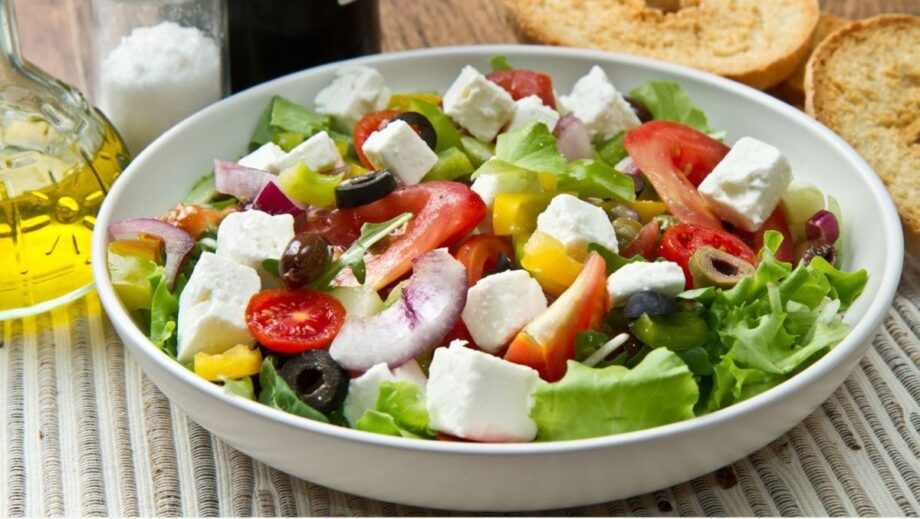
Hard to believe four weeks have gone by, and this is the fourth installment of our series. This time we look at the Greek Salad which has its roots in ancient Greece with 20th century additions, which combine to make this another “superfood”.
The Greek Salad: A Rustic Superfood for Senior Health
While the components have ancient origins, the combined salad is a modern classic. Vegetables like cucumbers, onions, and olives have been abundant in Greece for centuries. However, the key ingredient, the tomato, did not become widely embraced in Greek cuisine until the late 19th or early 20th century. The combined form of the Greek salad is widely believed to have been invented in the Plaka district of Athens. Restaurateurs cleverly added the highly-prized block of feta cheese to the vegetables to navigate government price caps on basic salads. By classifying it as a “new” dish they could price it higher for tourists. Lucky for them the addition proved popular and quickly became a national staple.
Core Ingredients: A Nutritional Breakdown
The Greek salad is a nutritional powerhouse, rich in vitamins, minerals, healthy fats, and fiber, making it an excellent meal for supporting healthy aging. The nutrient density comes from its foundational components.
The vegetables form a hydrating and vitamin-rich base:
- Tomatoes, Cucumbers, and Bell Peppers: These vegetables have high water content, aiding in hydration. They are packed with Vitamins A and C and various antioxidants like lycopene, which help reduce inflammation and support immune function.
- Red Onions: They provide a sharp flavor and additional antioxidants, contributing to overall health benefits.
The dressing and cheese provide essential micronutrients and fats:
- Feta Cheese: A key source of protein, calcium, and phosphorus, all of which are crucial for maintaining bone density and preventing osteoporosis. It is important to remember that it is also a main contributor to the salad’s sodium content.
- Kalamata Olives & Extra Virgin Olive Oil (EVOO): These are the primary sources of fat, which is mainly monounsaturated. This type of fat is known to help lower “bad” (LDL) cholesterol levels, reducing the risk of heart disease. They also contain beneficial polyphenols and antioxidants.
- Dried Oregano: The staple seasoning, providing a classic flavor profile.
Summary of Core Ingredients: This salad is a balanced mix of hydrating vegetables and nutrient-dense, healthy fats. The high amounts of Vitamins A and C, calcium, and monounsaturated fats are what solidify the Greek salad’s reputation as a valuable food for seniors.
The Health Benefits: Why the Salad is a Superfood
The health benefits that make Greek salad a “superfood” for seniors are primarily its ability to support heart and brain health, strengthen bones, reduce inflammation, and aid digestion—all direct results of its Mediterranean composition.
Promotes Heart and Brain Health:
- Healthy Fats: The Extra Virgin Olive Oil and olives contain monounsaturated fats and polyphenols, which improve antioxidant status, lower bad cholesterol, and decrease the risk of heart disease.
- Reduced Cognitive Decline: The antioxidants and healthy fats in the salad protect brain cells from damage and reduce inflammation. High consumption of olive oil is linked to a slower rate of cognitive decline and a lower risk of Alzheimer’s disease.
- Blood Pressure Management: The vegetables provide potassium, an electrolyte that helps balance sodium levels and is essential for managing blood pressure.
Strengthens Bones and Reduces Inflammation:
- Stronger Bones: Feta cheese is a key source of calcium, protein, and phosphorus, which are essential for maintaining bone density and helping to prevent osteoporosis. Anti-inflammatory Effects: Chronic inflammation is linked to many age-related diseases. The antioxidants and polyphenols in the olives and olive oil, along with the vitamins in the fresh vegetables, have strong anti-inflammatory properties that protect against chronic disease.
- Aids Digestion and Boosts Immunity
- Fiber and Hydration: The high water content in cucumbers, tomatoes, and bell peppers, along with the fiber they provide, helps support healthy digestion and prevent common issues like constipation in older adults.
- Immune Support: The vegetables are packed with essential vitamins (A, C, K) and antioxidants that can boost immune function. Feta cheese also contains probiotics, which contribute to a healthy gut microbiome and immune system.
Summary of Superfood Benefits: The Greek salad is an ideal anti-aging meal, delivering targeted benefits for the cardiovascular system, brain, and bones. Its composition actively works to reduce the systemic inflammation that contributes to age-related disease, making it a powerful and protective choice.
Potential Risks and Simple Modifications for Safety
While the Greek salad is overwhelmingly beneficial, seniors must be aware of a few potential risks that can be mitigated with simple modifications, primarily concerning sodium, food safety, and choking hazards.
- High Sodium Content: Olives and feta cheese are typically high in sodium, which is a major concern for seniors managing high blood pressure or heart conditions.
- Choking Hazards: Whole, unpitted olives can present a serious choking hazard if the pit is not completely removed.
- Food Safety (Listeria Risk): Seniors have a higher risk of contracting foodborne illnesses. Soft, unpasteurized cheeses, including some types of feta, can be a potential source of Listeria bacteria.
- High Fat and Calorie Density: Although the fats are healthy, olive oil and cheese are calorie-dense. Unmonitored large portions could contribute to weight gain or make weight management difficult.
- Lactose Intolerance/Sensitivity: Feta is an unripened cheese and contains more lactose than aged cheeses. Seniors with sensitivities may experience digestive discomfort.
- Drug Interactions: Feta contains tyramine, which can cause a dangerous spike in blood pressure for people taking monoamine oxidase inhibitor (MAOI) drugs.
Summary of Risks and Modifications: Most risks are easily managed by practicing mindful preparation. The most critical steps are ensuring you use pasteurized feta, checking that all olives are pitted, and actively managing sodium levels to keep the salad heart-healthy.
Tips to Make It a Healthier Option for Seniors
To transform the Greek salad into the safest and most nutritionally balanced option for seniors, focus your efforts on managing sodium, boosting the protein, and ensuring food safety.
Manage Sodium Intake
- Rinse the Olives: Rinsing Kalamata olives under water can significantly reduce their surface sodium content.
- Opt for Low-Sodium Feta: Look for feta cheese explicitly labeled “low-sodium” or “reduced sodium,” or simply reduce the amount of cheese used in the salad.
- Control the Dressing: Measure the Extra Virgin Olive Oil (EVOO) and vinegar for the dressing to avoid overconsumption of calories, as it is a dense fat source.
Enhance Nutritional Balance
- Add Lean Protein: Transform the salad into a complete meal by adding a source of lean protein like grilled chicken, salmon, shrimp, or rinsed chickpeas (garbanzo beans) to boost satiety and muscle health.
- Incorporate Extra Greens: While not traditional, adding dark, leafy greens like spinach or arugula increases the fiber, iron, and antioxidant content.
Ensure Food Safety
- Use Pitted Olives: To prevent a choking hazard, ensure all olives are pitted before serving.
- Choose Pasteurized Cheese: To minimize the risk of foodborne illness (like listeriosis), always use feta cheese made from pasteurized milk.
Other Healthy Variations
- Add Avocado: While not traditional, avocado provides another source of heart-healthy monounsaturated fats, fiber, and potassium.
Summary of Tips: By making simple adjustments—such as rinsing olives, using pasteurized feta, and measuring the EVOO—you can maintain the authentic, delicious flavor of the Greek salad while tailoring it to perfectly meet the health and safety needs of seniors.
The Greek Salad is a perfect example of how simple, traditional recipes can deliver complex nutritional benefits for healthy aging. It serves as a nutritional powerhouse, actively supporting heart health, bone density, and cognitive function with its healthy fats and rich antioxidants. By following the simple modifications—especially using pasteurized feta, ensuring pitted olives, and actively managing sodium levels—seniors can confidently enjoy this vibrant and protective meal. It truly embodies the philosophy of nourishing yourself “On Our Way To 100.”
Hope you found our deep dive into the Greek Salad helpful! Join us on Facebook or Instagram and post a comment to let us know your favorite way to customize your Greek salad. Next week we’ll be continuing our series with a look at another healthy salad option. In the meantime, if you want to supplement your diet with the vitamins and minerals that support this lifestyle, please visit the Vitamin Plus Center.