
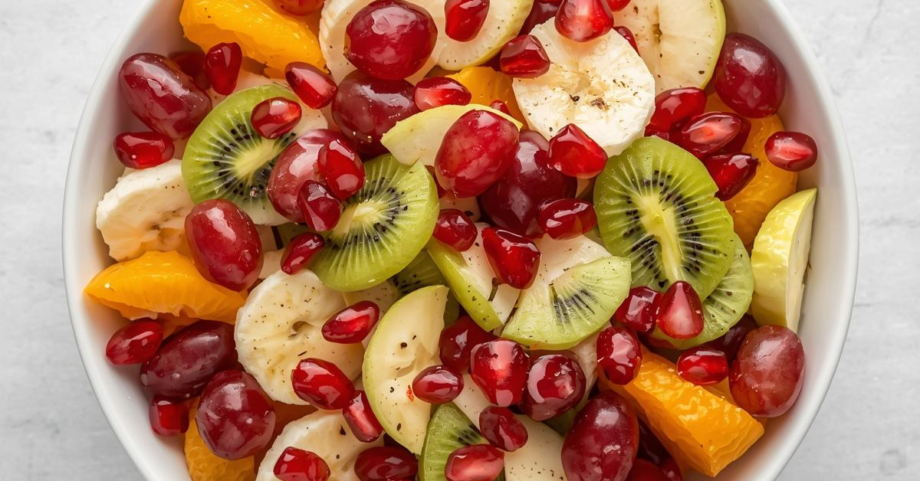
This week we wanted to focus on a salad that featured fruit that is in season. With an emphasis on boosting immunity, this winter fruit salad is a bright and vibrant addition to our Healthy Senior Salad Series.
Oranges, Kiwi, Grapes & More
A simple step to Longevity is to focus on enhancing our immunity. What better way to achieve that objective than to dive into nature’s winter pharmacy and focus on a fruit salad with oranges, kiwis, grapes, bananas, pears, and pomegranate arils. A combination designed to taste great and support our nutritional needs.
Why We Picked These Particular Seasonal Fruits
The goal was to create a salad that was rich in Vitamin C, Antioxidants, Vitamin A, and Fiber. This salad is not only a tasty combination, but it also is a great way to boost immunity for seniors.
- Citrus Fruits (Oranges, Mandarins, Grapefruit): These are the stars of winter immunity, packed with Vitamin C, which encourages the production of white blood cells to fight infection. They are also easy to segment and eat.
- Kiwi: This small fruit is a powerhouse of Vitamin C (often more than an orange), Vitamin K, and fiber, all of which support immune function and digestion.
- Pomegranates: The arils are rich in antioxidants called polyphenols and Vitamin C, which help reduce inflammation and protect cells from damage.
- Apples and Pears: While available year-round, winter varieties offer fiber and antioxidants. The skin of apples contains quercetin, a flavonoid that helps reduce inflammation. For seniors with chewing difficulties however, peeling the skin or cutting them into very small pieces is recommended.
- Grapes: Red and purple varieties contain resveratrol, an antioxidant that helps the immune system fight against germs.
We decided to go with oranges for our citrus fruit, but you can use mandarins and grapefruit to add variety each time you make the salad. The same goes for pears, we decided to use them in this version, but you can use apples now or later. The same can be said for the grapes. In fact, if you change them up, you’ll have at least five different versions of this delectable salad to enjoy throughout the season.
What are the Overall Health Benefits
This specific combination of fruits provides a powerful blend of nutrients designed to support the overall health of seniors, particularly focusing on immunity, digestion, energy levels, and heart function. The fruits selected work synergistically to address common health concerns associated with aging.
- Immunity Support: The standout feature for immunity is the high concentration of Vitamin C found in the oranges, kiwis, and pomegranates. Vitamin C is a critical antioxidant that helps stimulate the production of white blood cells, which are the body’s primary defense against infections and winter colds. Additionally, antioxidants found across all the fruits, such as the polyphenols in pomegranates and the beta-carotene in bananas, help reduce oxidative stress and inflammation, strengthening the immune system’s resilience.
- Digestion and Gut Health: Nearly all the ingredients are excellent sources of dietary fiber. Pears, kiwis, and oranges are particularly high in fiber, which is crucial for maintaining regular bowel movements and preventing constipation—a common issue for older adults. The fiber also acts as a prebiotic, feeding healthy gut bacteria, which in turn supports a significant portion of the body’s immune system.
- Heart Health: The salad aids cardiovascular function primarily through its high potassium content, especially from the bananas. Potassium is vital for managing blood pressure by counteracting the effects of sodium. The soluble fiber in pears helps lower cholesterol levels, and the antioxidants in grapes and pomegranates help improve blood flow and vessel health.
- Energy and Vitality: The mix of natural sugars in the fruit provides immediate, healthy energy, while the fiber ensures a gradual release of this energy, preventing the blood sugar spikes and crashes associated with processed sweets. The B vitamins in bananas help convert food into energy efficiently, combating fatigue and promoting vitality.
- Ease of Consumption: An additional health benefit specific to seniors is the physical composition of the salad. The fruits selected are naturally soft and cut into small, manageable pieces, ensuring they are easy to chew and digest, even for those with dental sensitivities, allowing them to absorb all these vital nutrients comfortably.
Altogether, this simple winter fruit salad delivers a nutrient-dense combination that supports the most important pillars of senior health—strong immunity, steady digestion, heart protection, and daily vitality. By choosing fruits that work together to nourish the body gently and effectively, this recipe becomes more than a refreshing seasonal dish; it becomes an easy, accessible way for older adults to fuel their well-being and stay energized throughout the winter months.
Essential Health Concerns for Seniors
While the fruit salad and dressing are very healthy, seniors should be aware of a few potential concerns related to medication interactions, mineral imbalances, and digestive comfort:
Medication Interactions
- Blood Pressure Medications (ACE Inhibitors): This is a primary concern. The recipe is high in potassium (found in bananas, oranges, and kiwi). If you’re a senior taking an ACE inhibitor medication for high blood pressure or heart failure (common brand names include Lisinopril, Ramipril, or Captopril), a high potassium intake can lead to dangerously high levels of potassium in the blood (hyperkalemia), which can affect heart rhythm.
- Blood Thinners (Anticoagulants): Kiwi fruit contains Vitamin K, which aids in blood clotting. Seniors on blood thinners like warfarin need a consistent daily intake of Vitamin K; sudden, excessive consumption of high-Vitamin K foods can interfere with the medication’s effectiveness.
Digestive Comfort and Mineral Balance
- Fiber Intake: The salad is high in fiber. For seniors who usually eat a low-fiber diet, a sudden increase can cause temporary bloating, gas, and abdominal cramps. It is best to introduce the salad in smaller portions initially to allow the digestive system to adjust.
- Hydration: Fiber needs plenty of water to work effectively. Without adequate fluid intake, a high-fiber diet can paradoxically lead to constipation or, in rare cases, a bowel obstruction. Ensure you stay well-hydrated throughout the day.
- Fructose Intolerance: Some older adults may have a degree of fructose malabsorption, meaning they have difficulty digesting the natural sugar in fruits, leading to bloating or general stomach discomfort.
Sugar Content
- Diabetes Management: Seniors with diabetes should monitor their portion sizes carefully and count the fruit’s carbohydrate content as part of their daily meal plan. The natural sugars provide energy but still affect blood glucose levels.
Before drastically changing your diet, you should always discuss nutritional plans with your primary care physician or a registered dietitian to ensure the food choices align with your specific health needs and medication regimen.
Changes to Make the Winter Fruit Salad Healthier
To make the Winter Fruit Salad and Light Citrus Dressing (see recipe below), universally healthier and safer for seniors that may be concerned about health issues, we recommend modifying ingredient ratios, ensure preparation minimizes risks, and simple substitutions to accommodate common health conditions.
- Reduce High-Potassium Ingredients: Decreasing the banana quantity helps moderate the potassium level, making the salad safer for a broader range of seniors managing kidney function or taking specific blood pressure medications.
- Eliminate Added Sugars: Removing the honey or maple syrup from the dressing significantly improves the profile for seniors with diabetes or those managing general blood sugar levels. The natural sweetness of the ripe fruits is sufficient.
- Enhance Safety: Mandating that all grapes be halved minimizes choking risks.
- Add Chewing-Friendly Fiber: Adding a peeled, diced apple increases the fiber variety without creating chewing difficulties.
Immunity-Boosting Winter Fruit Salad for Seniors Recipe
Prep time: 15 minutes
Servings: 4
This salad combines the softness of bananas and pears with the zest of citrus and the antioxidant power of kiwi and pomegranate.
Ingredients
For the Salad Base:
- 2 medium Oranges or 4 Clementines (peeled and segmented)
- 2 medium ripe Pears (firm but soft, cored, and diced small; skin optional)
- 2 large ripe Bananas (sliced)
- 2 Kiwis (peeled and quartered)
- 1/2 cup Pomegranate Arils (seeds)
- 1 cup Red Seedless Grapes (halved or left whole if safe for the individual)
For the Light Citrus Dressing:
- Juice of 1/2 Lemon (prevents browning and adds zest)
- 1 tablespoon Honey or Maple Syrup (optional, for sweetness)
Instructions
- Prepare the Fruit: In a large mixing bowl, gently combine the orange segments, diced pears, sliced bananas, quartered kiwis, pomegranate arils, and grapes. Cut all pieces into manageable, bite-sized portions suitable for easy chewing.
- Make the Dressing: In a small bowl, whisk together the lemon juice and the honey or maple syrup (if using).
- Combine: Drizzle the dressing over the fruit mixture.
- Toss Gently: Use a large spoon to gently fold the dressing into the fruit until everything is lightly coated. Avoid over-mixing to keep the delicate fruits intact.
Tips
- Chewing Safety: If chewing is a significant concern, ensure all grapes are halved and consider peeling the pears and apples (if added)..
- Storage: This salad is best eaten fresh on the day it is made because the bananas and pears will soften further and release more liquid over time.
- Gut Health Boost: To add probiotics, you can top individual servings with a spoonful of plain, unsweetened Greek yogurt.
This Winter Fruit Salad is far more than a tasty side dish; it’s a strategic, nutrient-dense tool for longevity and wellness during the toughest season for the immune system. We’ve combined nature’s best sources of Vitamin C and Antioxidants to stimulate immune defense, coupled with high Fiber content for crucial digestive and gut health.
However, if you are managing conditions like diabetes, kidney issues, or taking common medications, we strongly insist you discuss your nutritional plan with your doctor or dietitian. If needed, reducing high-potassium ingredients like bananas, eliminating added sugars, and ensuring small, healthy portion sizes—you treat yourself to a safe, delicious, and highly effective meal that supports your journey to 100.
As always, we hope this week’s Winter Fruit Salad inspires you to make simple, nourishing choices that strengthen your wellness all season long. Don’t forget to read about the other Salads in our Series. Be sure to follow us on Facebook and Instagram, where we share weekly tips and senior-friendly information, we’d love to read your comments on any of the posts. And if you’re looking for immune-support essentials to pair with your healthy habits, visit our Vitamin Plus Center for supplements designed to support your steps toward longevity.