
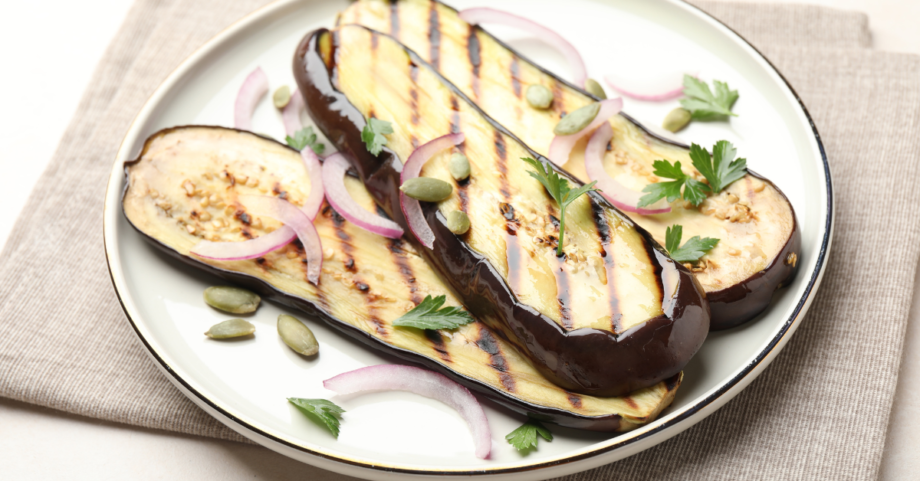
Welcome back to the series. This week we head further east and sample a deeply traditional dish with a history spanning over 1,500 years in China. This dish is a staple of authentic Chinese home cooking, particularly in northern and eastern regions.
Liangban Qiezi – The Chilled Eggplant Salad
The dish belongs to a category of Chinese food called liangcai (cold-tossed dishes), which are historically served to stimulate the appetite, especially during hot summer months.
- Ancient Roots: Records show eggplants have been cultivated and cooked in China since at least the 5th century BC. By the Han Dynasty (206 BCE–220 CE), eggplant dishes were already being documented in literature.
- Regional Variations: The Shangai Style is a lighter version, the Sichuan Style is known for adding a “fish-fragrance”, despite containing no fish, and the Northern Style features a more pungent “Garlic Mashed” version.
Preparing and Making the Chilled Eggplant Salad
To make Liangban Qiezi (Chinese Chilled Eggplant Salad), the traditional preparation focuses on steaming to achieve a silky, soft texture that is easy for seniors to chew and digest.
Ingredients
- Main: 2 large Chinese eggplants (skinny, long variety).
- The Dressing:
- 2 tbsp light soy sauce.
- 1 tbsp Chinkiang (black) vinegar.
- 1 tsp toasted sesame oil.
- 1 tsp sugar (to balance acidity).
- Aromatics: 2 cloves garlic (minced), 1 tsp fresh ginger (minced), and 1 scallion (finely chopped).
- Optional: 1 tbsp mild chili oil (adjust for heat preference).
Preparation Steps
- Prep the Eggplant: Trim the ends and cut the eggplant into 3–4 inch long batons or chunks.
- Pro-tip for color: Soak the pieces in a bowl of water with 1 tbsp of white vinegar for 10 minutes before cooking to prevent the skin from turning brown.
- Steam: Place the eggplant in a steamer basket over boiling water. Cover and steam for 10–15 minutes until completely tender when pierced with a fork.
- Steaming ensures the eggplant remains soft and easy to digest for seniors.
- Cool and Shred: Once cool enough to handle, use your hands or two forks to tear the eggplant pieces lengthwise into thin, chunky strands.
- Make the Dressing: In a small bowl, whisk together the soy sauce, black vinegar, sesame oil, sugar, garlic, and ginger.
- Assemble and Chill: Pour the dressing over the shredded eggplant and toss gently. For the best flavor, cover and refrigerate for at least 1 hour to allow the eggplant to absorb the sauce.
- Serve: Garnish with fresh scallions or cilantro before serving cold.
Senior-Friendly Customizations
- Reduced Sodium: Use low-sodium soy sauce or substitute with Coconut Aminos.
- Easier Digestion: Peel the eggplant before steaming if the skin is too tough to chew.
- Flavor Punch: If the salad feels too bland, consider adding mustard or miso to the dressing, starting with just a drop, for a savory “umami” boost.
Nutritional Overview
Despite its light texture, this salad delivers impressive nutritional value. Here is the breakdown for Liangban Qiezi (Chilled Steamed Eggplant Salad).
Per Serving Estimate
Based on a standard serving (approx. 1 cup or ~200g of the prepared salad)
- Calories: ~80–100 kcal
- Carbohydrates: 12g (mostly from vegetable fiber and natural sugars)
- Protein: 3g
- Fat: 4g (healthy unsaturated fats from sesame oil)
- Fiber: 4–5g (Excellent for senior digestive health)
Ingredient-by-Ingredient Breakdown
1. Chinese Eggplant (The Base)
- Nutritional Value (per 100g steamed): ~25–33 calories, 0g fat, 5–6g carbs, 2.5g fiber.
- Key Nutrients:
- Anthocyanins (Nasunin): Found in the purple skin, this antioxidant protects brain cell membranes and supports cognitive health.
- Potassium (~220mg): Helps regulate blood pressure, crucial for heart health.
- Soluble Fiber: Helps manage blood sugar spikes and lowers LDL cholesterol.
2. Light Soy Sauce
- Nutritional Value (per tablespoon): ~10 calories, 1g protein, 900mg sodium (Values vary by brand).
- Senior Note: This is the primary source of sodium in the dish. Because seniors often need to limit sodium to under 2,000mg/day, using Low-Sodium Soy Sauce (approx. 500mg sodium) is highly recommended.
3. Chinkiang (Black) Vinegar
- Nutritional Value (per tablespoon): ~5–10 calories, 0g fat, <1g sugar.
- Health Benefit: Contains acetic acid and essential amino acids. Acetic acid can help improve insulin sensitivity and digestion, making it beneficial for seniors managing type 2 diabetes.
4. Toasted Sesame Oil
- Nutritional Value (per teaspoon): ~40 calories, 4.5g fat.
- Fat Profile: Composed almost entirely of polyunsaturated and monounsaturated fats (healthy fats). It adds richness and mouthfeel, which helps seniors feel satiated with a smaller portion.
5. Aromatics (Garlic, Ginger, Scallion)
- Nutritional Value: Negligible calories (<5 kcal total).
- Medicinal Value:
- Ginger: A natural anti-inflammatory that aids digestion and can soothe stomach upset.
- Garlic: Linked to improved cardiovascular health and immune support.
6. Sugar (Optional)
- Nutritional Value (per teaspoon): 16 calories, 4g carbs.
- Substitution: If monitoring blood sugar strictly, this can be omitted or replaced with a monk fruit sweetener without altering the texture significantly.
Specific Health Benefits for Seniors
Chilled Eggplant Salad (Liangban Qiezi) offers several targeted health benefits for seniors, ranging from cognitive protection to cardiovascular support. Research continues to highlight eggplant as a “powerhouse” for healthy aging due to its unique combination of antioxidants and dietary fiber.
1. Cognitive and Brain Health
- Protection Against Neurodegeneration: Eggplant skin is rich in nasunin, a potent antioxidant that protects brain cell membranes from oxidative damage. This may reduce the risk of cognitive decline and neurodegenerative disorders such as Alzheimer’s disease.
- Improved Cerebral Blood Flow: Phytonutrients in eggplant can help improve blood flow to the brain, which supports memory, learning, and overall neural signaling.
2. Cardiovascular and Heart Support
- Cholesterol Management: The high fiber and polyphenols in eggplant help lower “bad” LDL cholesterol by binding to it in the digestive tract and facilitating its removal from the body.
- Blood Pressure Regulation: Eggplant is a natural source of potassium, an electrolyte that helps relax blood vessels and balance sodium levels, thereby reducing the risk of hypertension and stroke.
- Flavonoid Protection: Consuming foods rich in anthocyanins, like purple eggplant, has been associated with significantly lower blood pressure and reduced arterial stiffness.
3. Digestive and Metabolic Health
- Bowel Regularity: The salad is high in both soluble and insoluble fiber, which adds bulk to the stool and prevents constipation—a common issue for older adults.
- Blood Sugar Control: Eggplant is a non-starchy vegetable with a low glycemic index, making it ideal for seniors managing Type 2 diabetes as it prevents rapid blood sugar spikes.
- Kidney-Friendly: Because eggplant is naturally low in sodium, phosphorus, and potassium compared to other vegetables, it is often recommended for those on specialized kidney diets.
4. Bone and Vision Strength
- Osteoporosis Prevention: Eggplant contains essential minerals like manganese, copper, and Vitamin K, which are critical for maintaining bone density and reducing fracture risk as seniors age.
- Eye Protection: It contains small amounts of lutein and zeaxanthin, antioxidants known to protect eyes from UV damage and potentially reduce the risk of cataracts and age-related macular degeneration.
5. Traditional “Cooling” Essence
In Traditional Chinese Medicine (TCM), chilled eggplant is prized for its “cooling” nature, used to clear internal heat and improve circulation. This makes it an excellent choice for seniors who may be sensitive to summer heat or inflammation.
Health Concerns Seniors Should Consider
As with any traditional dish, a few considerations can help seniors enjoy it safely:
1. High Sodium Content (Hypertension Risks)
The most significant concern for seniors is the sodium in soy sauce and fermented vinegars.
- The Risk: Excessive sodium can lead to fluid retention, high blood pressure, and increased strain on the heart and kidneys.
- The Solution: Use the American Heart Association’s recommendation to limit sodium. Substitute traditional soy sauce with low-sodium soy sauce or Coconut Aminos, which contain up to 70% less salt.
2. Nightshade Sensitivity (Inflammation)
Eggplant belongs to the nightshade family (Solanaceae), which contains a compound called solanine.
- The Risk: Some seniors with chronic inflammatory conditions, such as rheumatoid arthritis, may find that nightshades exacerbate joint pain or stiffness.
- The Solution: If you notice increased inflammation after eating eggplant, discuss with a healthcare provider or nutrition professional. Peeling the skin can reduce solanine levels, though it also removes beneficial antioxidants.
3. Oxalates and Kidney Stones
Eggplants contain oxalates, naturally occurring substances found in many vegetables.
- The Risk: For seniors with a history of calcium-oxalate kidney stones, high-oxalate foods can contribute to stone formation if consumed in large quantities.
- The Solution: Ensure adequate calcium intake during the same meal (like a small serving of tofu) to help oxalates bind in the digestive tract rather than the kidneys.
4. Raw Garlic and Digestion
Traditional recipes call for significant amounts of raw minced garlic.
- The Risk: Raw garlic can cause gastrointestinal upset, heartburn, or acid reflux in seniors with sensitive digestive systems. It can also have a mild blood-thinning effect.
- The Solution: Sauté the garlic and ginger lightly in the sesame oil before adding them to the dressing to make them easier on the stomach.
5. Medication Interactions
Diabetes Medication: Because eggplant and vinegar can lower blood sugar, seniors on insulin should monitor their levels to avoid hypoglycemia.
Blood Thinners: If a senior is taking anticoagulants (like Warfarin), they should maintain consistent Vitamin K intake. While eggplant is not as high in Vitamin K as leafy greens, it is still a factor to monitor.
6. Texture and Swallowing (Dysphagia)
While the flesh of steamed eggplant is very soft, the skin can sometimes be tough or stringy.
- The Risk: Seniors with dysphagia (swallowing difficulties) may find the skin a choking hazard.
- The Solution: Completely peel the eggplant before steaming to ensure a uniform, soft consistency that is safe for all dental and swallowing abilities.
A Thoughtful Finish
Liangban Qiezi is a beautiful example of how traditional foods can align naturally with modern healthy-aging goals. With its soft texture, antioxidant-rich eggplant, digestive-supporting aromatics, and balanced, savory dressing, this chilled eggplant salad offers a refreshing, nutrient-dense option that supports brain health, heart health, digestion, and overall vitality. Simple to prepare and easy to adapt for senior needs. It is rooted in centuries of tradition; it shows that longevity-focused eating doesn’t require complexity—just thoughtful ingredients and mindful preparation.
We hope you’re enjoying this journey across global cuisines in the Healthy Senior Salad Series. We’d love to hear from you—have you tried chilled eggplant before, or do you have your own favorite way to prepare it? Share your thoughts, tips, or photos with us on our Facebook or Instagram pages and join the conversation.
To further support your longevity journey, we also invite you to explore and shop our Vitamin Plus Center, where you’ll find carefully selected supplements designed to complement a nutrient-rich diet and support heart health, cognitive function, immunity, and overall wellness as we age. It’s another simple step toward building a lifestyle centered on long-term vitality and healthy aging.