

Understanding Virus Season: Why It Matters for Older Adults
Respiratory virus season in the U.S. typically runs from October through May, with peak activity between December and February. During these months, viruses such as the flu, RSV, COVID-19, and common cold viruses circulate more easily—especially when people spend more time indoors.
For seniors, this matters greatly. Age-related changes in the immune system, combined with chronic health conditions, make viral infections more likely to lead to complications.
So, because older adults face higher risks from common respiratory viruses, and virus season lasts much longer than most people realize, awareness and preparation are key to staying healthy throughout the entire fall-to-spring period.
Key Viruses and the Risks They Pose
Respiratory virus season brings multiple circulating viruses, posing unique risks for seniors. Because weakened immune systems and chronic conditions can quickly escalate symptoms, understanding these viruses is key to timely care and effective prevention.
Influenza (Flu)
The flu is not “just a bad cold.” It can trigger pneumonia, heart complications, and dangerous flare-ups of existing conditions. Older adults account for 70–85% of flu-related deaths each year.
COVID-19
Although much progress has been made, COVID-19 continues to pose real risks for seniors, particularly those with weakened immune systems.
Respiratory Syncytial Virus (RSV)
Often overlooked as a disease that affects children, RSV can cause pneumonia and significant breathing problems for older adults.
Other Seasonal Viruses
Norovirus, rhinoviruses, and adenoviruses can all circulate during this time of year and may lead to dehydration, digestive issues, or secondary infections.
Understanding which viruses are most active—and why they’re more dangerous for seniors—helps older adults and caregivers make informed decisions about prevention, early treatment, and daily habits that reduce risk.
How Symptoms Can Look Different in Seniors
Respiratory infections don’t always appear in typical ways for adults over 65. Many seniors may not develop a fever at all, even during a serious infection.
Common symptoms:
- Cough
- Sore throat
- Runny nose
- Fatigue
Atypical or more serious symptoms:
- Confusion or changes in mental status
- Sudden weakness or difficulty standing
- Worsening of existing heart or lung conditions
- Shortness of breath that is new or worse than usual
Because early symptoms may be subtle, seniors and caregivers should pay close attention to unusual fatigue, confusion, or breathing changes—these can be early warning signs of significant illness.
Is It Too Late to Get Vaccinated?
In short: No — it is not too late.
Even though virus season has already begun, vaccinations still provide meaningful protection.
Here’s why getting vaccinated now is still beneficial:
- Peak virus activity extends through winter.
- Vaccines greatly reduce the risk of hospitalization and severe illness.
- Immunity builds within about two weeks — still in time for the highest-risk months.
- Respiratory virus season can last until May, making late-season protection valuable.
Whether it’s December, January, or even early spring, seniors can still benefit significantly from flu, COVID-19, and RSV vaccines. Protection gained now can prevent complications later.
If a Senior Chooses Not to Get Vaccinated
While vaccination is the strongest single tool we have, there are still effective ways to lower risk.
Prevention strategies include:
- Avoiding contact with sick individuals
- Practicing excellent hand hygiene
- Improving indoor ventilation
- Wearing a high-quality mask in crowded settings
Healthy lifestyle habits that boost immunity:
- Balanced nutrition
- Hydration
- Regular physical activity
- Adequate sleep
- Stress management
If symptoms appear:
- Stay home and rest
- Get tested early
- Notify a healthcare provider immediately (especially since antiviral medications work best when taken early)
- Watch for emergency signs such as difficulty breathing or chest pain
Even without vaccination, seniors can meaningfully reduce their risk through daily habits, good hygiene, and prompt medical care at the first sign of illness. Small actions truly add up.
Do Immune Support Supplements Help?
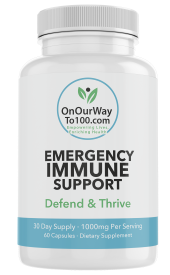
Our Emergency Immune Support supplement contains several ingredients—including zinc , vitamins C/E/B6 , elderberry , echinacea , probiotics (Lactobacillus Acidophilus) , and others (Garlic Powder, Turmeric, L-Glutamine HCI) —that may support immune function. Research shows many of these ingredients have been associated with reduced duration or severity of cold and flu symptoms, especially when taken early or when nutrient levels are low.
What supplements can do:
- Support normal immune function
- Provide nutrients that help the body mount a defense
- Potentially shorten symptom length for some illnesses
What supplements cannot do:
- Replace vaccination
- Guarantee prevention
- Cure viral infections
Immune support supplements can play a valuable role in overall wellness and may help the body respond more effectively during illness—but they work best as part of a broader strategy that includes good health habits, timely medical care, and staying informed throughout virus season.
Final Takeaway
With preparation, awareness, and healthy routines, seniors can navigate virus season with more confidence and significantly lower their risk of serious illness. Whether through vaccination, lifestyle choices, or smart daily habits, every proactive step helps support a longer, healthier life — exactly what the On Our Way to 100 community is built for.
This is for informational purposes only. For medical advice or diagnosis, consult a professional.