
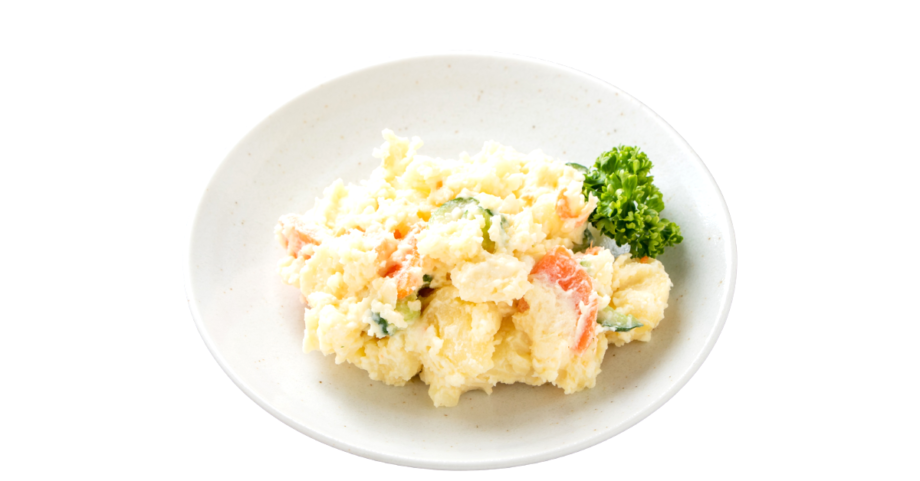
Continuing our journey through East Asia, we turn to the Korean Peninsula and explore Gamja Salad—Korean potato salad with a uniquely soft, creamy texture and a story rooted in 20th-century culinary adaptation. Shaped by post-war resourcefulness and cross-cultural influence, this beloved banchan reflects how simple ingredients like potatoes, vegetables, and yogurt can be transformed into a comforting, balanced dish that supports nourishment at every age.
Gamja Salad (Korean Potato Salad)
Korean Potato Salad, known as Gamja Salad, is a fascinating example of how cuisine evolves through history and cultural exchange. Although potatoes were introduced to Korea in the early 19th century, the creamy salad we recognize today emerged much later, shaped by the social and economic changes of the mid-20th century.
Following the Korean War, Western ingredients such as mayonnaise became more widely available through American military presence. Home cooks, adapting to both scarcity and new influences, began blending familiar Korean flavors with Western techniques. Some historians also note similarities to Japanese potato salad—an adaptation of European Olivier salad—suggesting a layered culinary lineage that crossed continents before settling into Korean kitchens.
By the 1970s and 1980s, as refrigeration became more common in Korean households, Gamja Salad secured its place as a beloved banchan, or side dish. Today, it appears in school lunches, family gatherings, and Korean barbecue restaurants alike—comforting, familiar, and uniquely Korean in character.
Cultural Evolution
While Gamja Salad may share roots with Western-style potato salads, it gradually took on a character all its own in Korean kitchens. Instead of leaving the potatoes in large chunks, many cooks gently mash them into a softer, almost velvety texture. The result is often shaped into neat, rounded scoops—a presentation that feels both nostalgic and comforting.
A subtle sweetness also distinguishes the Korean version. Rather than relying solely on salt and richness, small additions of apple, a drizzle of honey, or even a handful of raisins bring balance and brightness to the dish. At the same time, finely diced cucumbers and carrots provide a refreshing crunch that contrasts beautifully with the creamy base.
Through these thoughtful adjustments, Gamja Salad evolved into more than a side dish—it became a reflection of Korea’s culinary sensibility: balanced, textural, and quietly refined.
A Healthy Salad for Seniors
Gamja Salad offers more than comfort and nostalgia—it also lends itself beautifully to thoughtful preparation. Its naturally soft texture makes it easy to enjoy, particularly for those who prefer foods that are gentle on the teeth and easy to chew. When prepared with balance in mind, it becomes both satisfying and nourishing.
Potatoes provide steady energy and heart-supportive potassium, while additions like yogurt, and fresh vegetables contribute protein, fiber, and important micronutrients. The contrast between creamy and crisp textures keeps the dish interesting without being heavy, and when the potatoes are cooked and cooled before mixing, they develop resistant starch—an added benefit for digestive health.
Like many traditional comfort foods, the overall healthfulness depends on how it is prepared. By eliminating the mayonnaise, leaning on yogurt for creaminess, and allowing fruits and vegetables to bring natural sweetness and crunch, Gamja Salad can easily align with the principles of healthy aging: balance, moderation, and nourishment from whole foods.
Making Gamja Salad a Longevity-Friendly Dish
One of the strengths of Gamja Salad is how adaptable it is. With a few thoughtful adjustments, this once-rich comfort food can easily become a lighter, more balanced side dish that supports healthy aging.
Leaving the potato skins on adds fiber and helps slow digestion, creating steadier energy. Replacing mayonnaise with Greek yogurt maintains creaminess while contributing protein and calcium. Apples provide natural sweetness along with antioxidants, while carrots support eye health and add vibrant color. Fresh herbs such as chives or green onions brighten the flavor without relying on excess salt.
These small shifts transform the salad without sacrificing its familiar character. The result is a dish that supports heart health, digestion, muscle maintenance, and overall vitality—core pillars of longevity—while still feeling comforting and satisfying.
Health Benefits for Seniors
Substituting the heavy fats and refined sugars of traditional Gamja Salad with these whole-food alternatives creates a dish that directly targets the primary health concerns of aging.
1. Cardiovascular & Blood Pressure Support
By replacing salt with fresh herbs and choosing potatoes with skins, you maximize potassium and minimizing sodium. This balance is critical for managing hypertension and reducing the risk of stroke. The fiber from apples and potato skins also helps lower LDL (bad) cholesterol.
2. Muscle & Bone Maintenance
Seniors are at higher risk for sarcopenia (muscle loss) and osteoporosis. Greek yogurt provides a concentrated source of high-quality protein to maintain muscle mass and calcium to support bone density, which is often lacking in standard mayonnaise-based salads.
3. Digestive Health & Regularity
The combination of probiotics in yogurt and the triple-fiber hit from potato skins, carrots, and apples promotes a healthy gut microbiome. This is essential for seniors to prevent constipation and ensure better nutrient absorption.
4. Cognitive & Eye Health
The Beta-carotene in carrots and antioxidants in apples and herbs provide neuroprotective benefits. Vitamin A is particularly vital for maintaining vision health and preventing age-related macular degeneration.
5. Hydration & Weight Management
The high water content in cucumbers helps with hydration, which seniors often struggle with. Using yogurt instead of mayo significantly lowers the calorie density, making it easier to maintain a healthy weight without sacrificing satiety.
Creating the Salad
To achieve Gamja Salad’s signature creamy-yet-refreshing texture, a few thoughtful steps make all the difference:
- Prep the Cucumbers:
Slice thinly and sprinkle lightly with salt or lemon juice. Let them rest for a few minutes, then gently squeeze out excess moisture. This helps keep the salad creamy rather than watery. - Boil the Potatoes:
Scrub well (especially if keeping the skins on) and boil until fork-tender. After draining, allow them to steam-dry briefly before mashing. - Create a “Rough Mash”:
Mash the potatoes while still warm, leaving a few small chunks for texture. Allow them to cool before adding the yogurt mixture to maintain a smooth consistency. - Prepare the Creamy Base:
Stir together Greek yogurt, a splash of rice vinegar, and fresh herbs. Let the flavors mingle for a few minutes before combining. - Fold Everything Together:
Add cucumbers, carrots, and diced apples to the cooled potatoes. Gently fold in the yogurt mixture until evenly blended. - Adjust as Needed:
If the salad feels too thick, add a teaspoon of lemon juice or water. For a traditional touch, shape into rounded scoops before serving.
Tip: If raw carrots feel too firm, blanch them briefly to soften while keeping their bright color.
Ingredient Portions & Balance
For a standard batch serving about 4–6 people, the following amounts create a creamy, well-balanced salad:
- Potatoes: About 1½ pounds (3–4 medium Russet or Yukon Gold potatoes)
- Greek Yogurt: ½ to ¾ cup, depending on how creamy you prefer the texture
- Apple: 1 small apple, diced (about ½ to 1 cup)
- Carrot: ¼ to ½ cup finely diced (roughly 1 medium carrot)
- Cucumber: About ½ cup thinly sliced
- Fresh Herbs: 2–3 tablespoons chopped chives, green onions, or parsley
- Optional Flavor Boost: 1–2 teaspoons rice vinegar and a dash of black pepper
Finding the Right Balance
Aim for slightly creamier base than crunchy additions so the salad holds together while still offering contrast in texture. You can easily adjust to taste—adding more yogurt for softness or more vegetables for brightness and crunch.
For seniors watching carbohydrate intake, a serving of about ½ to 1 cup works well as a side dish alongside a protein-rich main course. If the yogurt tastes too tangy, start with ½ cup and increase gradually. A teaspoon of honey can gently round out the flavor if needed.
Storing Your Gamja Salad
Because this version uses Greek yogurt and fresh fruit, it’s best enjoyed within a few days.
How Long It Keeps
- Stored properly in the refrigerator, Gamja Salad will stay fresh for 2–3 days. After that, the apples may begin to soften and the cucumbers can release moisture, slightly thinning the dressing.
Best Storage Practices
- Use an Airtight Container:
Store in a tightly sealed glass or BPA-free container to keep the flavors fresh. - Minimize Air Exposure:
Press a piece of plastic wrap gently onto the surface of the salad before sealing the lid. This helps preserve texture and keeps the apples from browning. - Keep It Cold:
Store in the main body of the refrigerator rather than the door, where temperatures stay more consistent. - Skip the Freezer:
Freezing isn’t recommended, as the creamy texture will change once thawed.
Keeping the Texture Fresh
- Make sure excess moisture has been squeezed from the cucumbers before mixing.
- If preparing in advance, toss diced apples with a small splash of lemon juice or rice vinegar to help maintain their color.
- Before serving leftovers, give the salad a gentle stir to restore its creamy consistency.
Individual Considerations
As with any dish, Gamja Salad can be adjusted to meet individual dietary needs.
Those managing blood sugar may wish to enjoy smaller portions and pair the salad with a protein-rich main dish to promote balance. Individuals following lower-potassium or kidney-conscious diets may need to moderate potato intake or explore suitable substitutions. And anyone with dairy sensitivities can opt for lactose-free yogurt or a plant-based alternative.
The beauty of this salad lies in its flexibility. Small adjustments allow it to remain comforting and flavorful while aligning with personal health goals.
As always, this article is for informational purposes only. For medical advice or dietary guidance specific to your needs, consult a qualified healthcare professional.
A Dish Rooted in Balance
Gamja Salad reminds us that food traditions are rarely static. They evolve, adapt, and carry the stories of the people who prepare them. What began as a post-war adaptation has become a beloved Korean comfort dish—simple, balanced, and thoughtfully composed.
With a few mindful adjustments, it also fits beautifully into a longevity-focused lifestyle. Soft in texture, rich in color, and grounded in whole ingredients, this salad reflects the same principles we explore throughout the Healthy Senior Salad Series: nourishment, balance, and the quiet power of everyday choices.
We’d love to hear from you. Have you ever tried Gamja Salad—or do you have a favorite family variation? Join the conversation on Facebook and Instagram and share your thoughts. And if you’re exploring ways to support your own healthy aging journey, visit the Vitamin Plus Center for thoughtfully selected supplements designed to complement a balanced lifestyle.