
If you’ve read our article, Staying Safe During Extreme Summer Heat: A Longevity Guide for Older Adults, you already know that staying hydrated and eating lighter meals are two of the most important steps you can take during periods of extreme heat. This week’s Healthy Senior Salad recipe puts those recommendations into practice with fresh, water-rich ingredients that help support hydration while providing outstanding nutrition.
Why You’ll Love the Hydration Salad
- Water-rich ingredients to help support hydration
- Electrolytes that help maintain fluid balance
- Lean protein to support healthy aging
- Heart-healthy fats
- Vitamins and antioxidants
- Ready in minutes
Chicken, Veggies, Nuts, and Cheese
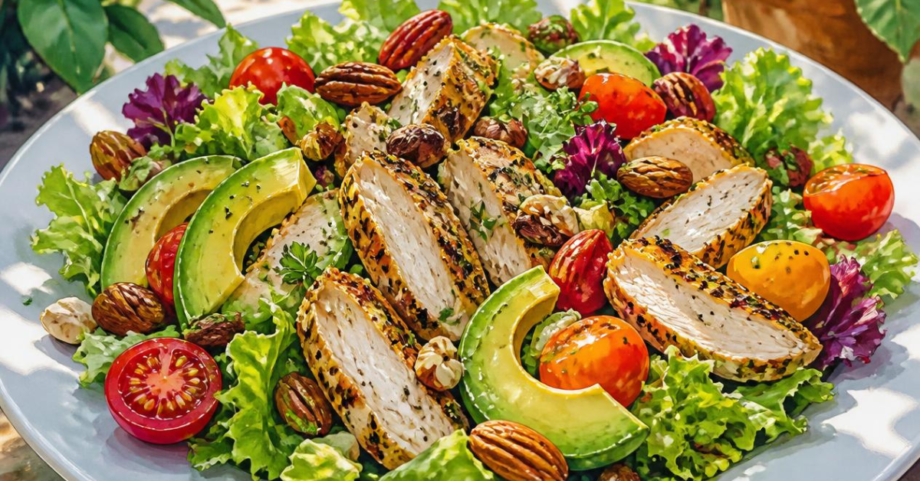
Building the Hydration Salad is simple. Start with a generous bed of crisp romaine or fresh spinach, then layer on sliced cucumbers, juicy cherry tomatoes, creamy avocado, and lean grilled chicken breast. Finish with a sprinkle of your favorite nuts and crumbled feta cheese for added flavor, texture, and important electrolytes.
The result is a colorful, satisfying meal that’s naturally rich in water, protein, healthy fats, vitamins, and minerals—making it an excellent choice for staying nourished and hydrated during periods of extreme summer heat.
Like the other recipes in our Healthy Senior Salad Series, this salad proves that nutritious food can be both simple to prepare and delicious to enjoy.
How Does This Salad Help Hydration
Most people think staying hydrated simply means drinking more water. While beverages are certainly important, many people are surprised to learn that up to 20% of our daily fluid intake can come from the foods we eat.
This Hydration Salad combines water-rich vegetables, natural electrolytes, healthy fats, and lean protein to help your body absorb, retain, and make better use of that moisture throughout the day.
High-Water Foods: Direct Hydration
These ingredients deliver water directly through chewing, making it easier for seniors who may not always feel thirsty to absorb fluids throughout the day.
- Cucumber (~95% water): One of nature’s most hydrating foods, cucumbers provide a crisp, cooling crunch while supplying water and trace minerals such as potassium and silica.
- Cherry Tomatoes (~94% water): These juicy tomatoes deliver both hydration and lycopene, a powerful antioxidant that helps protect cells from oxidative stress.
- Dark Leafy Greens (~90–93% water): Spinach, romaine, or butter lettuce provide a refreshing, water-rich foundation while delivering vitamins A, C, and K. They also contribute fiber and antioxidants that support overall health, making them an ideal base for a hydrating summer meal.
Mineral & Electrolyte Balancers: Moisture Retention
Drinking plain water isn’t always enough—seniors need minerals to keep water inside cells rather than flushing it straight out.
- Feta Cheese: Provides sodium and calcium. In moderate amounts, sodium is essential during hot days to replace salts lost through perspiration and to maintain blood pressure and fluid balance.
- Nuts (e.g., Almonds, Walnuts): Deliver magnesium and potassium, two core electrolytes required for muscle contraction, preventing summer leg cramps, and maintaining fluid pressure across cell membranes.
Sustained Digestion & Nutrient Carriers
Hydration works best when digestion is steady. Rapid spikes or heavy, hard-to-digest foods draw blood and energy away from temperature regulation.
- Avocado: Rich in healthy monounsaturated fats and potassium (even more per gram than bananas). Healthy fats slow down gastric emptying, allowing the gut to absorb water and nutrients steadily rather than all at once.
- Chicken Breast: Provides clean, lean protein to prevent muscle loss without overloading the digestive tract. Adequate protein also maintains albumin levels in the blood, a primary protein responsible for keeping fluid inside blood vessels and out of swollen tissue.
Individually, each ingredient contributes something valuable. Together, they create a meal that supports hydration far better than any one ingredient could on its own.
How It All Works Together
When combined into a summer meal, these ingredients create a synergistic hydration effect:
- Volume & Moisture: Cucumbers, tomatoes, and greens supply immediate, easy-to-digest fluids.
- Electrolyte Binding: Feta and nuts supply the sodium, potassium, and magnesium needed to hold onto that fluid.
- Slow Release: Avocado and chicken provide healthy fats and proteins that steady digestion, delivering sustained cellular hydration over several hours.
Other Overall Health Benefits
Beyond its hydration and electrolyte benefits, this combination of chicken, dark leafy greens, avocado, cherry tomatoes, cucumber, nuts, and feta cheese supports several important aspects of healthy aging. Together, these nutrient-rich ingredients contribute to heart health, stronger bones, cognitive function, healthy vision, muscle preservation, and metabolic balance.
Cardiovascular & Blood Pressure Support
- Supports Healthy Blood Pressure: While feta provides necessary sodium, the combination of avocado, dark leafy greens, and nuts supplies a high dose of potassium. This counterbalances sodium levels, helping relax blood vessel walls and maintain healthy blood pressure.
- Supports Healthy Cholesterol Levels: Avocados and tree nuts (like walnuts or almonds) are rich in monounsaturated fats and omega-3 fatty acids, which help lower LDL (“bad”) cholesterol while maintaining HDL (“good”) cholesterol.
- Helps Keep Blood Vessels Healthy: Lycopene from cherry tomatoes and nitrates from leafy greens support endothelial function—keeping arteries flexible and reducing oxidative stress on the cardiovascular system.
Bone Density & Joint Health
- Supports Strong Bones: Dark leafy greens (especially spinach or kale) provide high levels of Vitamin K1, which is essential for binding calcium to the bone matrix. Feta cheese delivers bioavailable calcium and phosphorus, forming the structural building blocks for strong bones.
- Helps Reduce Inflammation: Antioxidants in tomatoes (lycopene), polyphenols in nuts, and oleic acid in avocado help combat systemic inflammation, which can ease joint stiffness and discomfort associated with arthritis.
Cognitive Function & Brain Longevity
- Supports Memory and Brain Health: Dark leafy greens and avocados are packed with lutein and folate. Lutein accumulates in brain tissue and is directly linked to better memory retention and faster visual processing speed in older adults.
- Improves Nutrient Absorption: The healthy fats in avocado and nuts improve the bioavailability of fat-soluble vitamins (A, D, E, K), ensuring the brain effectively absorbs key nutrients. Magnesium from nuts also plays a crucial role in nerve signal transmission and sleep regulation.
Muscle Preservation & Metabolic Balance
- Helps Preserve Muscle Mass: Aging naturally leads to a gradual loss of muscle mass (sarcopenia). Chicken breast offers complete, highly digestible lean protein (leucine), which stimulates muscle protein synthesis to help preserve strength and mobility.
- Supports Healthy Blood Sugar Levels: Combining protein (chicken, feta) and healthy fats (avocado, nuts) with high-fiber vegetables slows down carbohydrate absorption. This prevents blood sugar spikes and crashes, keeping energy levels stable throughout the afternoon.
Eye Health & Vision Protection
- Supports Eye Health: Cherry tomatoes and leafy greens contain lutein and zeaxanthin, two antioxidants that concentrate in the retina to filter harmful blue light and reduce the risk of age-related macular degeneration (AMD). Because these compounds are fat-soluble, the healthy fats in avocado and nuts significantly boost their absorption.
Adding the Dressing
This salad is delicious on its own, but a simple homemade dressing can enhance both its flavor and nutritional value. Using just a few fresh ingredients, you can create a light dressing that complements the salad while supporting many of its health benefits.
- Helps Your Body Absorb More Nutrients
- Supports Hydration and Electrolyte Balance
- Promotes Healthy Digestion
You’ll only need four simple ingredients:
- ½ of a fresh lemon or lime
- 1 teaspoon of extra virgin olive oil
- finish with a pinch of salt and black pepper
How to Prepare the Dressing
There are two ways to consider.
The Direct Drizzle (The Easiest Method)
You can simply squeeze the half lemon or lime, drizzle the olive oil, and sprinkle the salt and pepper directly over your assembled salad.
- The Benefit: It is effortless and saves you from washing an extra dish. The natural juices from the cucumber and cherry tomatoes will actually act as a liquid base, helping the oil and citrus mix naturally as you toss the salad in the main bowl.
The Whisk Method (The Most Even Coating)
If you squeeze the citrus, add the oil, and whisk it with the salt and pepper in a small cup first, the oil and acid will temporarily emulsify (blend together into a slightly cloudy liquid).
- The Benefit: It guarantees that the salt and pepper are perfectly dissolved and evenly distributed. You won’t end up with one bite that is too salty or one bite with all the oil.
Whichever preparation method you choose, be sure to toss the salad thoroughly just before serving. This simple step helps coat the greens and vegetables evenly with the healthy fats from the olive oil and avocado, improving the absorption of important nutrients such as Vitamin K and lycopene while ensuring every bite is full of flavor.
A Few Health Considerations
For most healthy older adults, this salad is a nutrient-rich meal that supports hydration and overall wellness. However, depending on your medical history or prescription medications, a few simple adjustments may help make it an even better choice for your individual needs.
Blood Thinners (e.g., Warfarin / Coumadin)
- The Concern: Dark leafy greens (spinach, kale, romaine) are rich in Vitamin K, which helps blood clot. Vitamin K directly counteracts blood-thinning medications.
- The Fix: Seniors taking blood thinners do not need to avoid leafy greens altogether, but their intake needs to be consistent day-to-day. Spiking Vitamin K intake suddenly with a large salad can throw off blood monitoring (INR) levels.
Kidney Health & Potassium Levels
- The Concern: Avocado, cherry tomatoes, dark greens, and nuts are all naturally high in potassium. While high potassium is fantastic for lowering blood pressure in people with healthy kidneys, seniors with Chronic Kidney Disease (CKD) or those taking potassium-sparing blood pressure drugs (like ACE inhibitors) can struggle to clear excess potassium from their blood.
- The Fix: Anyone with reduced kidney function should moderate high-potassium ingredients (such as using a smaller portion of avocado and tomatoes).
Sodium Sensitivity & Blood Pressure
- The Concern: Feta cheese and added salt provide sodium. While sodium is an essential electrolyte lost during hot summer days, seniors with congestive heart failure or severe hypertension may need to strictly manage their daily sodium budget.
- The Fix: Use a light hand with the feta (a crumble goes a long way) and rely primarily on fresh lemon/lime juice and black pepper for flavor, which lowers the need for added table salt.
Digestive Comfort & Choking/Chewing Hazards
- First Concern: Raw leafy greens and whole nuts require good chewing ability (dentition) and efficient digestion.
- Second Concern: Citrus acid (lemon/lime juice) and raw vegetables can occasionally trigger acid reflux (GERD) or stomach irritation in sensitive digestive tracts.
- The Fix: Slivers of toasted almonds or chopped walnuts are easier to chew than whole nuts. For acid sensitivity, reducing the citrus or sticking to extra virgin olive oil with fresh herbs keeps it gentle on the stomach.
A Quick Rule of Thumb: If you are not taking blood thinners, following a potassium-restricted diet, or managing strict kidney or sodium restrictions, this nutrient-rich salad is generally an excellent choice to support hydration and healthy aging.
Complete Your Meal with a Refreshing Beverage
Pairing your Hydration Salad with a refreshing, low-sugar beverage is another simple way to support healthy hydration during warm weather. Here are a few flavorful options that complement the salad while helping you stay cool and refreshed.
- Hibiscus and Lime Iced Tea: Brew pure hibiscus tea bags, chill, and serve over ice with fresh lime.
- Why you’ll enjoy it: Naturally caffeine-free and rich in antioxidants.
- Cucumber, Mint, and Lemon Infused Water: Steep sliced English cucumbers, fresh mint leaves, and lemon wheels in a pitcher of ice water for two hours.
- Why you’ll enjoy it: Crisp, refreshing, and an easy way to increase your daily water intake.
- Ginger-Turmeric Herbal Iced Tea: Brew a spicy ginger and turmeric tea, cool completely, and serve over cracked ice with a splash of fresh lemon juice.
- Why you’ll enjoy it: Supports digestion while providing anti-inflammatory compounds.
- Unsweetened Pure Coconut Water: Serve a small 4-ounce splash of chilled, 100% pure coconut water diluted with equal parts sparkling water.
- Why you’ll enjoy it: A light source of potassium and electrolytes during hot weather.
Longevity Starts with Simple Steps
The Hydration Salad is much more than a refreshing summer meal. It combines water-rich vegetables, lean protein, healthy fats, and essential nutrients into one delicious recipe that supports hydration, heart health, muscle preservation, cognitive function, and overall healthy aging.
Whether you’re enjoying it after a morning walk, serving it as a light lunch on a warm afternoon, or making it part of your weekly meal planning, this salad is a simple reminder that healthy eating doesn’t have to be complicated. Small, thoughtful choices made consistently can have a meaningful impact on your long-term wellness.
If you’re looking for more practical ways to stay healthy during periods of extreme summer heat, we also invite you to read our Staying Safe During Extreme Summer Heat: A Longevity Guide for Older Adults. It explores additional strategies for staying hydrated, exercising safely, recognizing the warning signs of heat illness, and supporting your body with proper nutrition throughout the summer.
As always, we hope this week’s Hydration Salad inspires you to make simple, nourishing choices that support your journey toward living a longer, healthier life. Be sure to explore the other recipes in our Healthy Senior Salad Series, and follow us on Facebook and Instagram, where we share weekly tips and practical ideas for healthy aging. If you’re looking to complement your healthy eating habits, visit our Vitamin Plus Center to learn more about nutritional supplements designed to support your longevity journey.